GrassROOTS Yoga

Yoga is more than movement; it’s the gentle transformation of the one who moves. As Iyengar writes, “Yoga does not just change the way we see things, it transforms the person who sees.”

At GrassROOTS Wellness, our approach to yoga blends anatomical precision with a heart-centered understanding of the body’s stories—its stress, its resilience, its recovery. Within our diverse spectrum of yoga classes offered here, you’ll find practices that support mobility, balance, post-surgical healing, nervous-system regulation, and strength at every age. And because we walk beside you through the various stages of growth— you don’t have to do it alone. Experience yoga that meets you where you are right now. Try your first-class FREE today.

Sign up by clicking the button below.

try today for free

Yoga Class Descriptions

  • Restorative

    What it is: A deeply calming, fully supported practice designed to promote rest, recovery, and nervous system restoration.

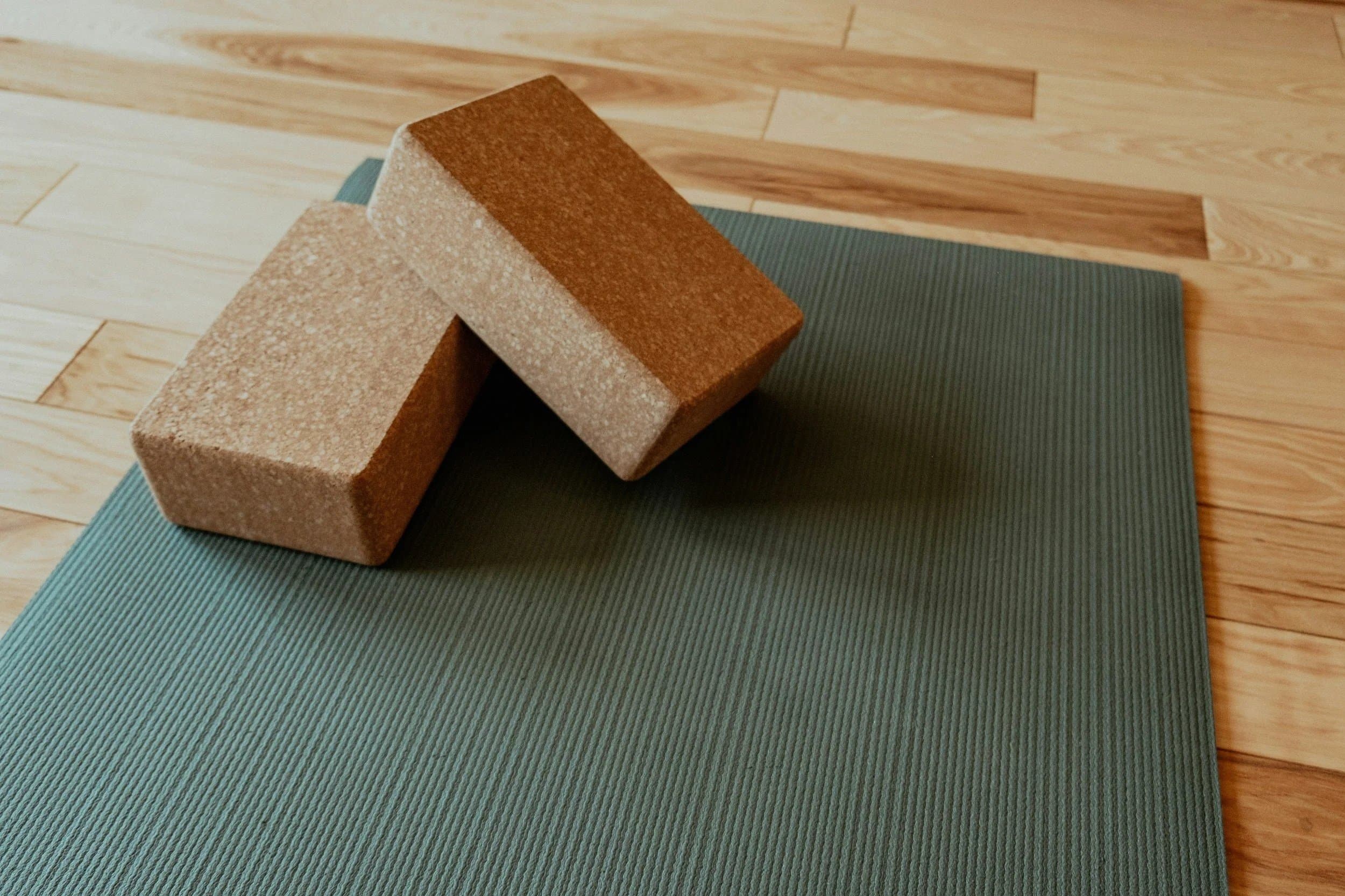
    How it works: Using props such as bolsters, blankets, and blocks, the body is comfortably supported in gentle postures held for extended periods. This allows muscles to fully relax while breath awareness and guided stillness encourage the nervous system to shift into a parasympathetic, rest-and-repair state.

    Why it’s beneficial: Supports stress reduction, improves sleep quality, lowers physical and mental tension, and aids recovery from fatigue, illness, or injury. Restorative Yoga is ideal for anyone seeking deep relaxation, emotional balance, and intentional rest in a supportive environment.

  • Yin Yoga

    What it is: A grounding, slow-paced practice where poses are held for several minutes with full support.


    How it works: Long, steady holds gently hydrate connective tissues, improve joint health, and shift the body into a parasympathetic “rest-and-repair” state.


    Why it’s beneficial: Reduces stress and tension, enhances flexibility, supports chronic pain relief, and improves sleep quality.

  • Therapeutic Chair

    What it is: A highly accessible, healing-centered class ideal for anyone who feels safest seated or supported.


    How it works: Half of the class focuses on guided breathwork and meditation to support calm, balanced breathing and nervous system regulation. Half of the class offers gentle, chair-supported movement to improve circulation, joint mobility, and functional range of motion.


    Why it’s beneficial: Supports stress reduction, enhances breathing patterns, improves mobility, and offers a deeply grounding mind-body experience.

  • Gentle Chair

    What it is: A soft, beginner-friendly class that introduces movement slowly and comfortably.


    How it works: Light stretching, seated postures, and simple supported standing movements help build ease and confidence. Isometric exercises are used for gentle strengthening.


    Why it’s beneficial: Improves flexibility, strength, balance, and mobility while providing a nurturing, low-pressure, low pressure practice environment.

  • Chair Yoga

    What it is: A steady, low-impact class combining seated and supported standing postures.


    How it works: The chair provides stability while students explore alignment, mindful breath, and strength-building patterns.


    Why it’s beneficial: Builds functional strength and balance while remaining accessible and joint-friendly.

  • Improve Your Balance

    What it is: A chair-supported yoga class focused on improving standing balance, stability, and confidence for those progressing beyond seated movement.

    How it works: Using chairs and balance beams for support, students practice standing balance exercises that strengthen the feet, legs, and stabilizing muscles essential for posture and safe movement. The class emphasizes mindful weight shifting, core engagement, and coordination to improve how the brain communicates with the muscles responsible for balance.

    Why it’s beneficial: Builds strength in the lower body and stabilizers, improves balance and coordination, and increases confidence in standing movement. This class is ideal for chair yoga students looking to progress safely, support fall prevention, and develop the strength and awareness needed for more advanced standing practices.

  • Therapeutic Mat

    What it is: A slow, anatomy-informed mat-based class focused on healing, mobility, and nervous system support.


    How it works: Props, breath, and controlled movement help unwind tension patterns, improve joint mobility, and restore balance.


    Why it’s beneficial: Ideal for chronic pain, injury recovery, and anyone seeking a grounded, restorative practice with therapeutic intention.

  • Gentle Mat

    What it is: A calm, supportive class focused on stretching, mobility, and reconnecting with your body through slow, intentional movement on the mat.

    How it works: Guided, breath-driven stretches and fluid motions help release tension, improve joint mobility, and gently awaken the muscles. Transitions are kept simple and accessible so students feel steady and supported throughout class. Students may be laying, sitting, or standing.

    Why it’s beneficial: Enhances flexibility, reduces stress, and improves circulation while increasing comfort and confidence on the mat. It’s an ideal stepping stone for students who want to build the foundation needed for more active classes like Mat Yoga, Core Yoga, Vinyasa, or emPOWER.choose.

  • Mat

    What it is: A balanced, moderate-intensity class that blends strength, mobility, and alignment in an accessible way.


    How it works: Students move through standing, seated, and reclined postures at a thoughtful, steady pace with the assist of props as needed.


    Why it’s beneficial: Builds the essential building blocks needed to safely progress into Core Yoga, Vinyasa, or emPOWER Yoga. Enhances posture, muscular balance, and overall functional strength.

  • Core Yoga

    What it is: A targeted class strengthening the deep core muscles that support posture, balance, and spinal health.


    How it works: Controlled, breath-centered core work builds strength and stability without strain. Postures may be explored sitting, laying down, or standing.


    Why it’s beneficial: Improves spinal support by increasing core strength, enhances mobility, reduces back discomfort, and prepares students for more dynamic flow practices.

  • Vinyasa

    What it is: A rhythmic, breath-coordinated flow offering a more energetic, full-body practice.


    How it works: Sequenced postures build strength, cardiovascular resilience, and mental focus through continuous movement. This will work up a sweat and build heat in the body.


    Why it’s beneficial: Increases stamina, mobility, and strength while reducing stress and improving concentration and circulation.